In most cases, a platform that asks you to pay a fee, “tax” or deposit before releasing your funds is not legitimate. Real exchanges deduct fees from your balance. Don’t pay, save your evidence, and report it.
You try to withdraw, and the platform says you must first pay a fee, a “tax” or a deposit. This is one of the most common warning signs we see. Here is what it usually means and what to do now.
Strong warning sign
Being asked to pay before you can withdraw usually means the platform isn’t legitimate. Real exchanges take fees out of your balance. They don’t ask you to send new money, whether it’s called a tax, an unlock fee or a deposit. Paying rarely releases anything and usually leads to the next request.
What to Do Now
Don’t pay
However official or urgent it sounds, and however close the platform says you are. Stop any payment you have set up.
Save your evidence
Screenshot the payment request, your balance, your transaction history and every message, including chats with your account manager.
Call your bank
If you paid anything by card or bank transfer, call your bank as soon as possible and ask about a dispute or recall.
Report it
Reporting is free. In the US, report to the FBI at ic3.gov and the FTC at reportfraud.ftc.gov. In Canada, report to the Canadian Anti-Fraud Centre at reportcyberandfraud.canada.ca or 1-888-495-8501. Our where to report page lists every option.
Why Platforms Ask for This
The balance on your screen is often just a number the platform controls. Once you try to take money out, the aim becomes getting more from you, so the withdrawal is blocked behind a payment that sounds official. The FTC describes exactly this pattern: people find they can’t withdraw at all, or only if they pay high fees.
The request often goes by names like these:
- Withdrawal tax or capital gains tax
- Anti-money-laundering (AML) deposit or verification fee
- Unlock, release or activation fee
- Insurance deposit or “margin” top-up
- VIP or account upgrade
If you pay, a new reason tends to appear: a second fee, a “penalty” for a mistake, or a minimum balance you suddenly need to reach.
If You’ve Already Paid
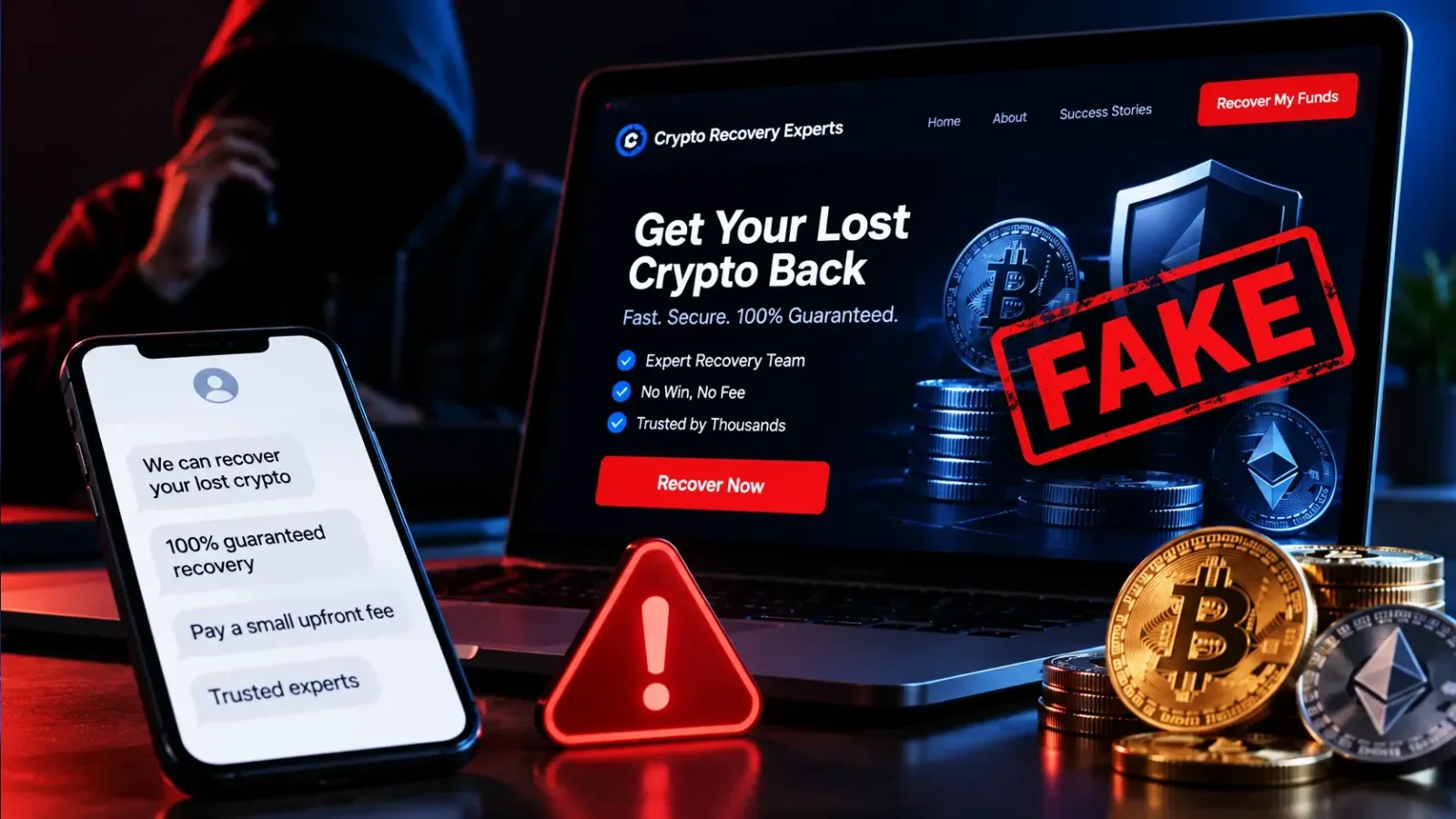
You’re far from alone, and it isn’t too late to act. Stop further payments, keep every record, contact your bank and report it. Be very careful of anyone who then offers to recover the money for a fee. That is a common second scam.
When a Fee Can Be Genuine
Get a Free Second Opinion
Been asked to pay, or already paid? A member of our team can review your case for free and tell you what it most likely means and what your realistic options are. It takes about two minutes, and there’s no obligation.
Questions
I’ve Been Told the Fee Is Refundable. Is That True?
Promises that a fee will be refunded or added back to your balance are part of the same pattern. Treat them with the same caution.
They Say I’ll Lose Everything if I Don’t Pay Today. What Should I Do?
Deadlines and threats are pressure tactics. Don’t pay. Save the messages and get an independent opinion before you do anything else.
Where Should I Report It?
In the US, report to the FBI at ic3.gov and the FTC at reportfraud.ftc.gov. In Canada, report to the Canadian Anti-Fraud Centre at reportcyberandfraud.canada.ca or 1-888-495-8501. Our where to report page lists every option.
This page is general information, not legal or financial advice. See our Disclaimer.